Comprehensive Guide to Head Lice Treatment and Prevention
Understanding head lice infestations is crucial for effective treatment and prevention. This guide provides parents with essential information about head lice, including their life cycle, how they spread, and the best practices for managing an infestation. By being informed, parents can take proactive steps to protect their children and minimize the risk of lice outbreaks.
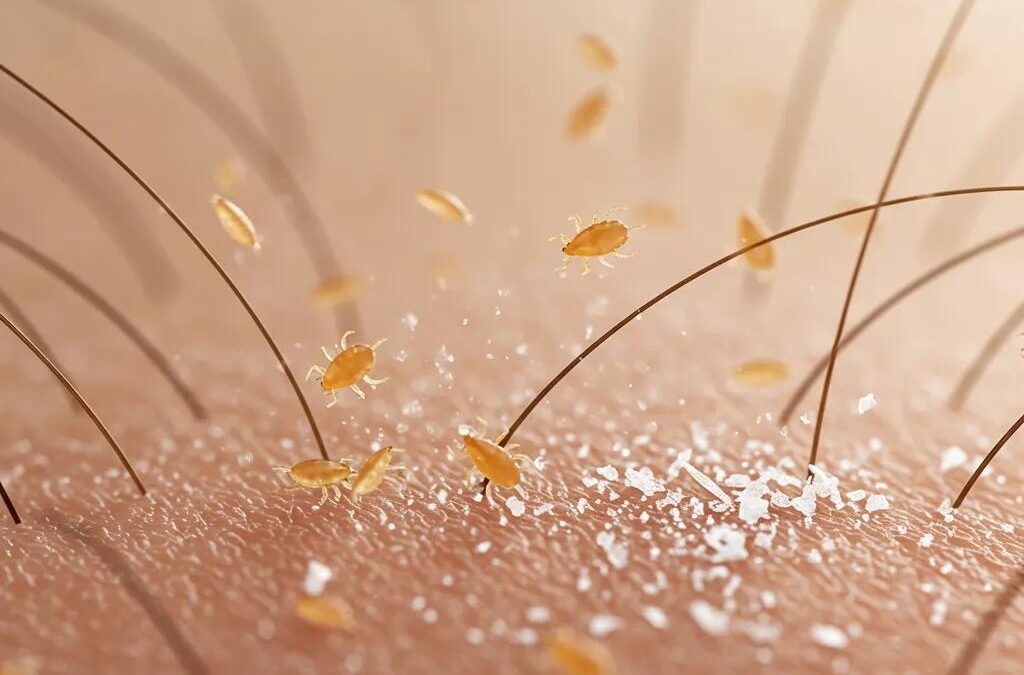
Head lice are small, wingless insects that live on the scalp and feed on human blood. They are highly contagious and can spread easily through close contact. Knowing how to identify lice and nits (lice eggs) is the first step in addressing an infestation. This guide will outline symptoms, effective treatment options, and preventive measures to help families stay lice-free.
Effective Treatment Options for Head Lice
When it comes to treating head lice, there are several options available that cater to different needs and preferences. Over-the-counter treatments often contain insecticides that kill lice, while natural remedies may appeal to those looking for chemical-free solutions. Understanding the pros and cons of each treatment can help parents make informed decisions for their children.
Popular treatments include topical insecticides, such as permethrin and pyrethrin, which are widely used and generally effective. However, some families may prefer alternative methods like essential oils or manual removal with a nit comb. This section will explore the effectiveness, safety, and application of various treatment options, ensuring parents find the best fit for their family.
Preventing Head Lice: Tips for Parents
Prevention is key when it comes to managing head lice infestations. By implementing simple strategies, parents can significantly reduce the likelihood of their children contracting lice. This section will cover practical tips for preventing lice spread at home, school, and during social activities.
Encouraging children to avoid sharing personal items such as hats, hairbrushes, and headphones can help minimize risk. Additionally, regular head checks and educating children about lice can empower them to be vigilant. By adopting these preventive measures, families can create a lice-free environment and protect their children from future infestations.
Understanding the Myths Surrounding Head Lice
There are many misconceptions about head lice that can lead to unnecessary panic and ineffective treatment strategies. This section aims to debunk common myths and provide clarity on what head lice are and how they behave. Understanding the facts can help alleviate fears and promote a more rational approach to dealing with infestations.
For instance, one common myth is that head lice are a sign of poor hygiene, when in fact, they can affect anyone regardless of cleanliness. Another misconception is that lice can jump or fly, when they can only crawl. By addressing these myths, parents can better understand head lice and approach treatment and prevention with confidence.






Recent Comments