Understanding Head Lice: Myths and Facts
Many misconceptions surround head lice, leading to unnecessary panic and stigma. It's essential to understand that head lice are a common issue, especially among children, and they do not reflect poor hygiene or social status.
For instance, head lice are spread primarily through direct head-to-head contact rather than through personal items like hats or brushes. Educating parents about these facts can help reduce the stigma associated with lice infestations and promote a more informed approach to treatment and prevention.
Effective Home Remedies for Lice Treatment
Home remedies can be an appealing option for families looking to treat lice without resorting to chemical treatments. Natural solutions often include ingredients like olive oil, coconut oil, and vinegar, which can suffocate lice and help in the removal of nits.
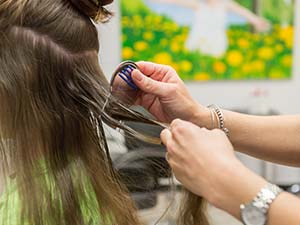
While these remedies can be effective, it's crucial to apply them correctly and combine them with thorough combing to ensure all nits are removed. Families should also be aware that results can vary, and consulting a professional may be necessary for severe infestations.
Signs Your Child May Have Lice
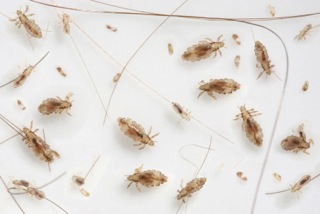
Recognizing the signs of a lice infestation early can prevent the spread to others. Common indicators include itching on the scalp, the presence of red bumps on the neck or behind the ears, and the discovery of live lice or nits during a hair inspection.
Parents should conduct regular checks, especially after known exposure to lice. Being proactive can help manage the situation effectively and reduce the likelihood of a larger outbreak within schools or playgroups.
Preventing Lice: Best Practices for Families
Preventing head lice requires a combination of awareness and proactive measures. Families can implement strategies such as avoiding head-to-head contact, not sharing personal items, and regularly cleaning and vacuuming common areas.
Additionally, teaching children about the importance of personal space and hygiene can empower them to take part in lice prevention. Schools can also play a significant role by providing education and resources to parents and students about lice prevention strategies.


Recent Comments