
by Shelly Klimas | Jan 9, 2026 | Identification & Diagnosis, Treatment Options & Reviews
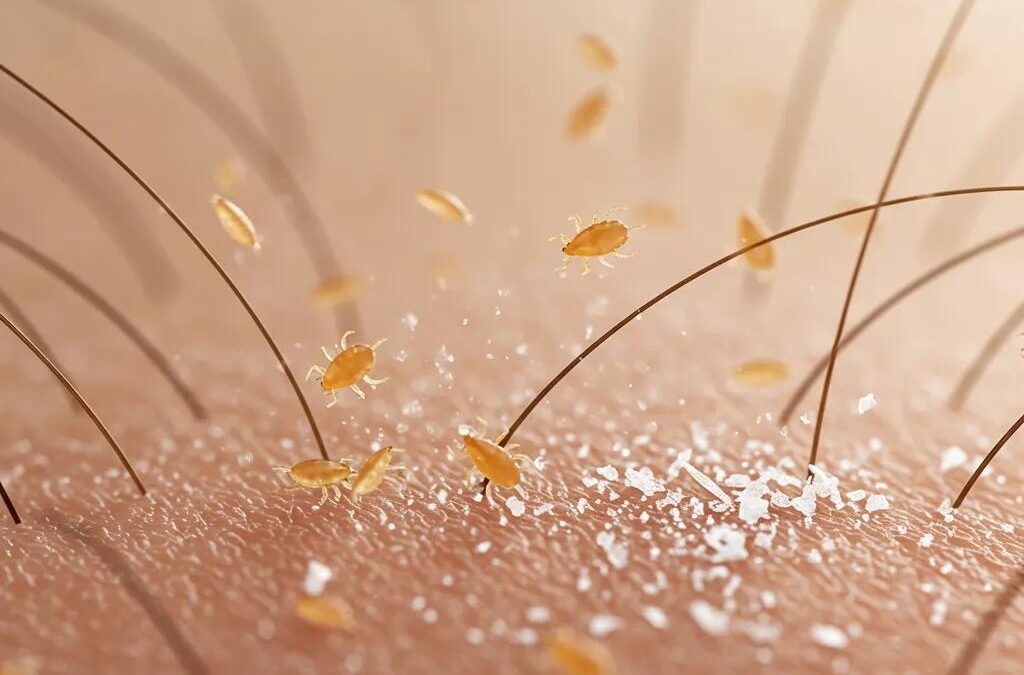
Lice Identification: Lice vs. Dandruff: How to Tell Them Apart and Protect Your Child’s Scalp Are those tiny white specks in your child’s hair just dandruff — or something that needs treatment? Confusing head lice with dandruff (or vice versa) can delay care and...Head lice are a common issue among children, and understanding their lifecycle, behavior, and how they spread is crucial for effective management. Parents should be aware that head lice are not a sign of poor hygiene and can affect anyone, regardless of cleanliness.
To combat head lice effectively, parents must learn about the different stages of lice development, from eggs (nits) to adult lice, and how to recognize signs of infestation. This knowledge empowers parents to act promptly and ensure their child's scalp remains healthy and lice-free.
When it comes to treating head lice, there are various options available, including over-the-counter treatments, prescription medications, and natural remedies. It's essential for parents to choose a method that is both effective and safe for their children.
For instance, many parents opt for topical insecticides that target lice directly, while others may prefer natural treatments like essential oils. Understanding the pros and cons of each option can help parents make informed decisions that suit their family's needs.
Prevention is key when it comes to managing head lice in children. Parents can take proactive steps to minimize the risk of infestation by educating their children about lice and encouraging good hygiene practices.
Simple measures, such as avoiding head-to-head contact during play and not sharing personal items like hats and hairbrushes, can significantly reduce the likelihood of lice spreading. Regularly checking your child's hair and scalp can also help catch any potential issues early.
Identifying a head lice infestation early can prevent further spread and complications. Common symptoms include intense itching, a sensation of something moving in the hair, and visible nits or adult lice on the scalp.
Parents should conduct regular checks, especially after school or sleepovers, where lice are more likely to spread. Understanding these symptoms can help parents respond quickly, ensuring their child receives the necessary treatment without delay.
Recent Comments