Comprehensive Guide to Head Lice Prevention
Understanding head lice prevention is crucial for parents, especially during the school year when children are more susceptible to infestations. This guide aims to provide actionable strategies that can help minimize the risk of lice transmission among children.
Effective prevention methods include regular head checks, teaching children about personal hygiene, and ensuring that they avoid sharing personal items like hats, hairbrushes, and scarves. Additionally, schools and daycare centers can implement policies to educate families about lice prevention, creating a community effort to combat this common issue.
Understanding Lice Life Cycle and Behavior
To effectively prevent head lice, it's essential to understand their life cycle and behavior. Lice go through three stages: egg (nit), nymph, and adult, each requiring specific conditions to thrive and reproduce.
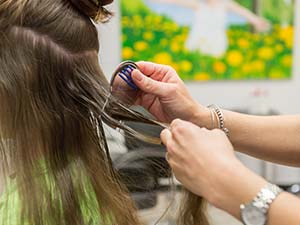
Adult lice can lay up to 10 eggs per day, which can hatch within 7-10 days. Knowing this cycle helps in timely interventions and treatments. Regular combing and checking for nits can interrupt this cycle, making it easier to manage and prevent infestations.
Myths and Facts About Head Lice
There are many misconceptions surrounding head lice that can lead to unnecessary fear and stigma. Understanding the facts can empower parents and help them take informed actions against lice.
For instance, head lice do not spread disease, and having lice is not a reflection of poor hygiene. These myths can create panic, but by educating families with accurate information, we can reduce the stigma and focus on effective prevention and treatment methods.
Choosing the Right Lice Treatment Products
Selecting appropriate lice treatment products is vital for effective eradication. Various options are available, including over-the-counter treatments, prescription medications, and natural remedies.
It's important to consider the active ingredients, application methods, and safety for children when choosing a product. Consulting with a healthcare professional can also guide parents in selecting the best treatment based on their child's specific needs and any potential sensitivities.


Recent Comments