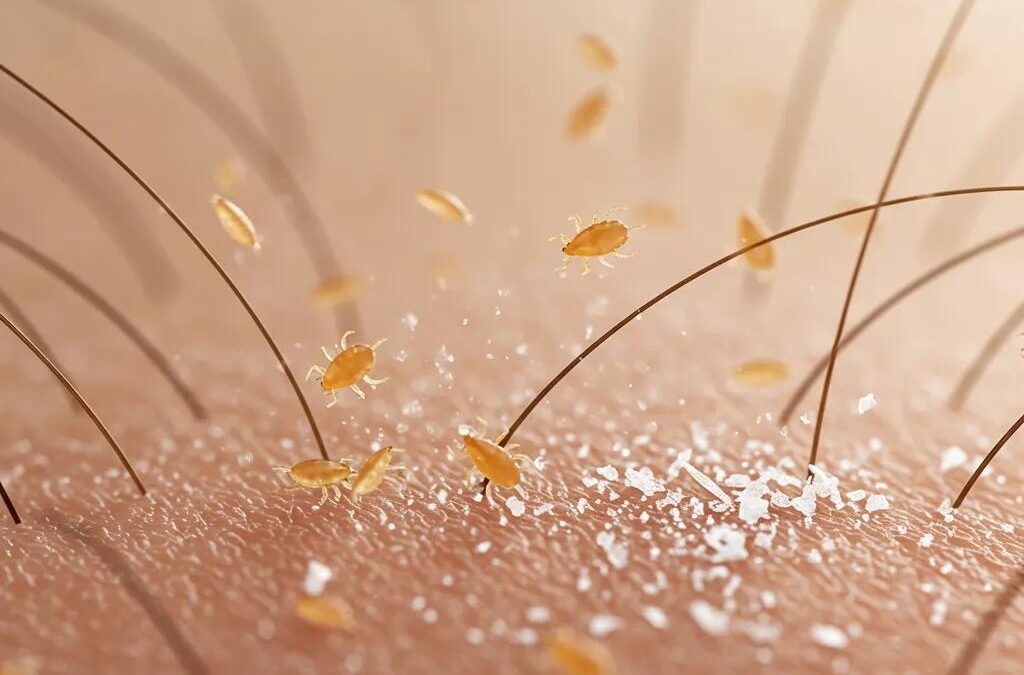
Lice vs Dandruff: Spot the Difference and Protect Your Child
Are those tiny white specks in your child’s hair just dandruff — or something that needs treatment? Confusing head lice with dandruff (or vice versa) can delay care and prolong itching and anxiety. This guide walks you through what lice and dandruff look like, the key differences to watch for, a simple step‑by‑step check you can do at home, when to call a professional, and the best treatment and prevention options. By the end, you’ll be able to spot the signs and know when to reach out to the team at Lice Beware for expert help.
Below is a quick at‑a‑glance comparison before we go into more detail.
| What to Look For | Lice | Dandruff |
|---|---|---|
| Appearance | Small, wingless insects with six legs; color ranges from translucent to brownish. | Dead skin flakes that look white or yellowish and may be a little oily. |
| Where They’re Found | Close to the scalp — especially behind the ears and at the nape of the neck. | On the scalp and along hair shafts, often scattered more widely. |
| Movement | Live lice crawl quickly across hair and scalp. | Flakes don’t move on their own; they fall or brush away. |
| How They Stick | Nits (eggs) are glued firmly to individual hair strands. | Flakes detach easily with a light touch. |
| The Itch Factor | Intense scratching and a crawling sensation are common. | Mild to moderate itch that usually improves after washing. |
| Treatment | OTC or prescription lice products and professional removal services. | Anti‑dandruff shampoos and scalp moisture/exfoliation treatments. |
This quick comparison sets the stage for a closer look, starting with what head lice are and how they show up on the scalp.
What Are Head Lice and How Do They Appear?
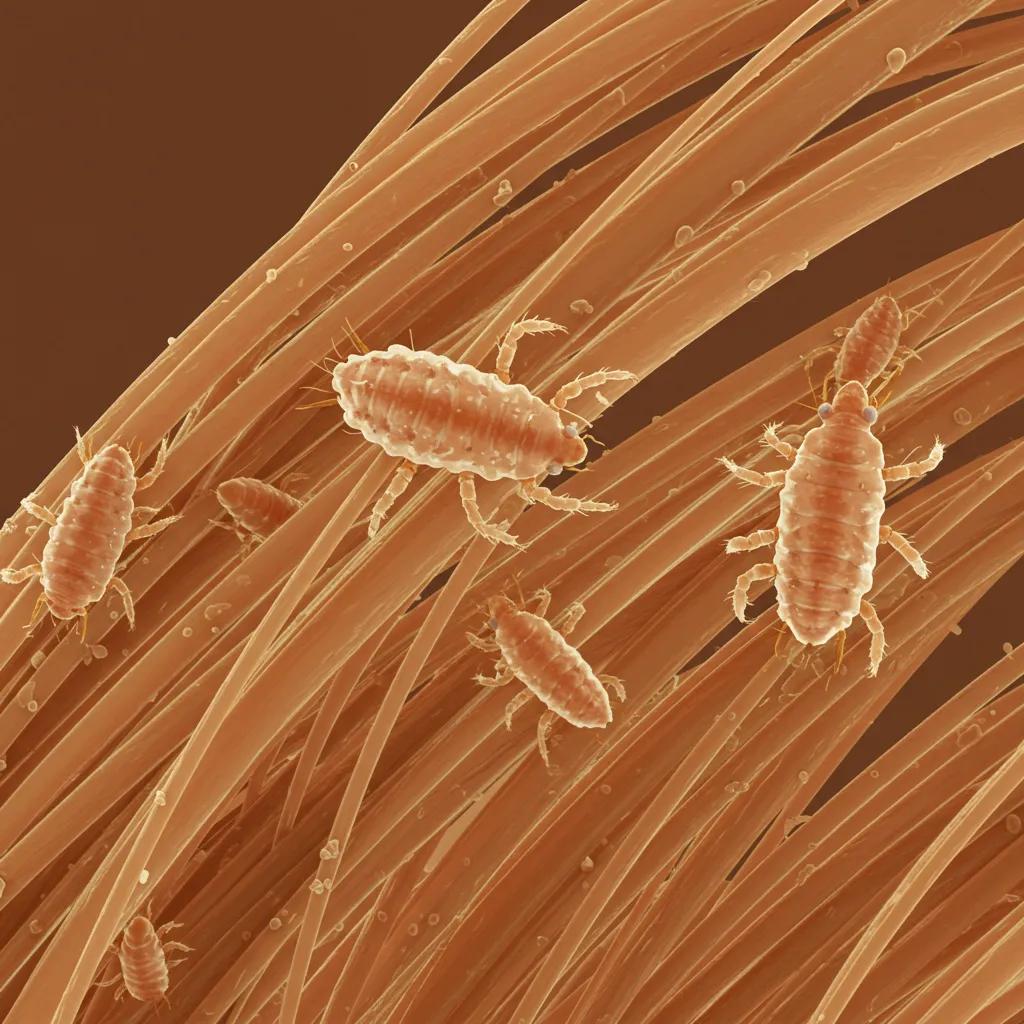
Head lice (Pediculus humanus capitis) are tiny parasitic insects that feed on human blood and cling to hair. Recognizing their life stages and the usual symptoms will help you confirm whether there’s an active infestation.
Head Lice Identification and Treatment
Head lice (Pediculus humanus capitis) cause intense scalp itching and a crawling sensation. Diagnosis depends on finding live lice or firmly attached nits — tiny, oval eggs glued to hair shafts — most commonly near the scalp, behind the ears, and at the nape of the neck. Over‑the‑counter products like permethrin 1% lotion are commonly used as a first‑line treatment and can kill live lice; a second application is often needed to eliminate newly hatched nymphs.
This summary supports the descriptions above about how lice look, the typical symptoms, how they’re diagnosed, and why permethrin is a commonly recommended OTC option.
What Are Head Lice and Nits?
Head lice are tiny, wingless insects roughly the size of a sesame seed that move across the scalp looking for blood meals. Nits are their eggs — small, oval, and usually white, yellowish, or brownish — and they’re glued to individual hairs. Nits hatch in about 7–10 days, so nits close to the scalp usually mean the infestation is active.
How Do Live Lice Look and Move on the Scalp?
Live lice are about sesame‑seed sized and have six legs with tiny claws that grip hair.
- They move quickly when disturbed and can transfer from hair to hair in seconds.
- You’ll most often find them along the hairline, behind the ears, and at the back of the neck.
- Against dark hair they appear darker; against light hair they can look nearly translucent.
Their quick movement contrasts with dandruff flakes, which simply sit or fall — noticing motion is a reliable clue.
Where Are Nits Found and How Do They Attach to Hair?
Nits are cemented to the side of a hair shaft, usually within about half an inch of the scalp where warmth helps them develop.
- Each nit is glued to a single hair and won’t brush off easily.
- They commonly cluster behind the ears and at the nape of the neck — spots people don’t brush as often.
- Under magnification, nits look tear‑drop shaped with a tiny breathing hole at one end.
A gentle tug will separate a nit from scalp debris — that’s a quick way to tell them apart.
What Are Common Symptoms of a Lice Infestation?
Early signs to watch for include:
- Persistent scalp itch, often worse at night.
- A crawling or tickling feeling in the hair.
- Small red bumps or sores from scratching, which can become infected.
- Visible live lice or groups of nits attached to hairs.
Spotting these signs early helps you move quickly to effective treatment and, if needed, professional removal.
What Is Dandruff and How Can You Recognize It?
Dandruff (Pityriasis capitis) is a common, non-contagious scalp condition in which dead skin cells flake off. Knowing what causes it and how it usually looks will help you choose the right scalp care and avoid unnecessary lice treatments.
What Causes Dandruff and What Are Its Types?
Dandruff happens when skin cells renew too quickly. Common forms include:
- Dry‑Skin Dandruff: Small, dry flakes with tight, itchy skin.
- Oily‑Skin Dandruff (Seborrheic Dermatitis): Greasy, yellowish flakes often with redness or oiliness.
- Fungal‑Associated Dandruff: Overgrowth of Malassezia fungus causing irritation and flaking.
All types cause excessive flaking but differ in appearance and triggers.
Malassezia Fungi and Dandruff Pathogenesis
Fungi of the genus Malassezia are normal skin residents implicated in dandruff and seborrheic dermatitis, conditions that affect many people. When Malassezia overgrows it can trigger inflammation and flaking, and symptoms often improve with antifungal treatments. Common active ingredients in anti‑dandruff shampoos include zinc pyrithione, selenium sulfide, and ketoconazole, which help reduce fungal activity and scaling.
This evidence supports the explanation above about dandruff causes — including Malassezia’s role — and why certain medicated shampoos work.
How Do Dandruff Flakes Look and Feel?
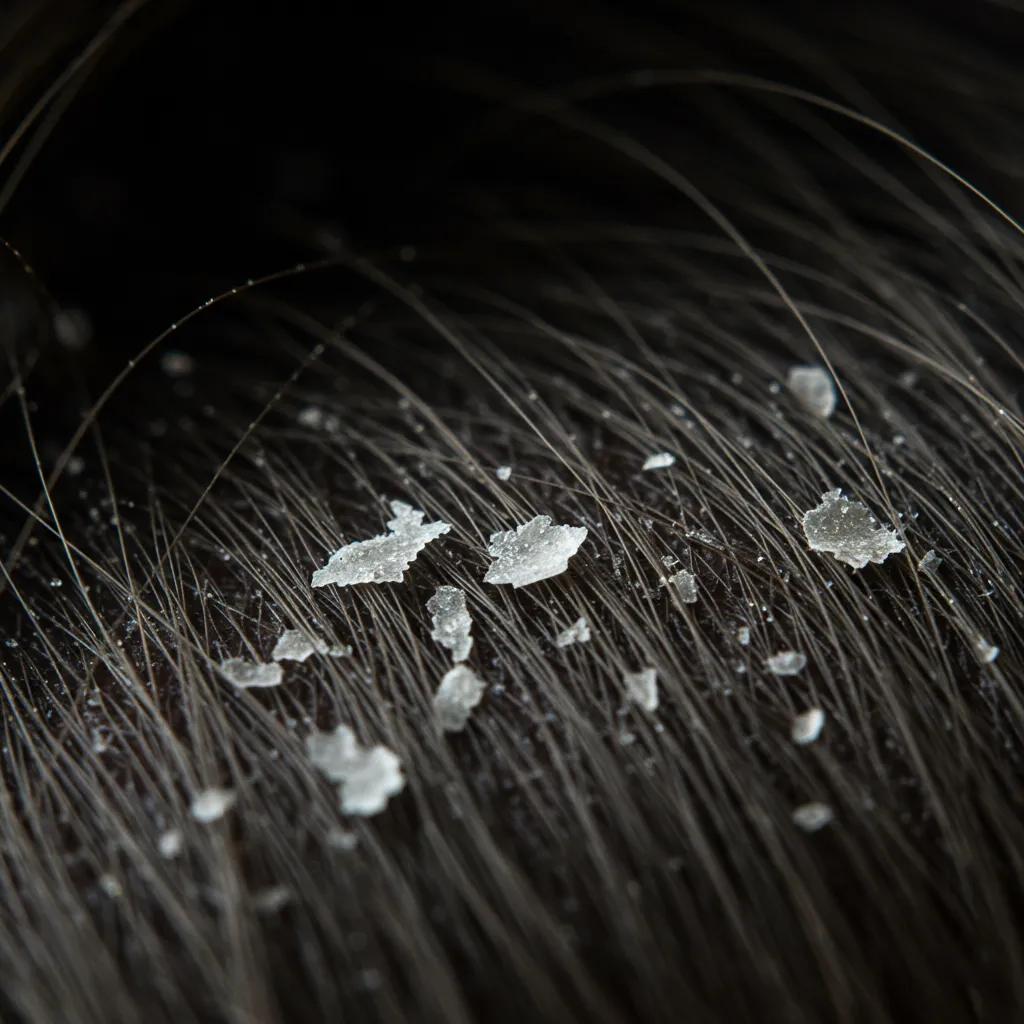
Dandruff flakes are irregular, somewhat translucent bits roughly 0.5–2 mm in size.
- They collect on the scalp and fall off easily when you brush or comb.
- Oily flakes may catch the light; dry flakes look powdery.
- They feel soft and do not stick to hair, unlike glued‑on nits.
These tactile and visual differences help separate dandruff from lice eggs at a glance.
What Are Typical Symptoms of Dandruff?
Common signs include:
- Mild to moderate itch, usually eased by washing.
- White or yellow flakes on the scalp and shoulders.
- Occasional redness or scaliness, but no crawling sensation.
Symptoms typically respond to targeted shampoos and scalp care.
How Is Dandruff Different from Dry Scalp?
Dry scalp usually produces small, dust‑like flakes and feels tight or irritated. Dandruff tends to produce larger, oilier flakes and may include redness. Moisturizers and gentle shampoos often help with a dry scalp; dandruff may require antifungal or exfoliating options.
How Can You Tell the Difference Between Lice and Dandruff?
Compare movement, attachment, location, appearance, and the type of itch — those distinctions make it clear whether you’re dealing with lice or flaky skin.
Do Lice and Dandruff Move Differently?
Live lice actively crawl along hair and across the scalp, creating a crawling sensation.
Dandruff flakes don’t move on their own — they simply fall or brush off.
How Firmly Are Nits and Dandruff Flakes Attached?
Nits are cemented to the hair shaft with a sticky substance, making them hard to remove. Dandruff flakes detach easily with a brush or by running your fingers through your hair.
Where on the Scalp Are Lice and Dandruff Usually Found?
Lice and nits concentrate near the hairline, behind the ears, and at the nape of the neck — warmer spots where eggs develop.
Dandruff flakes are generally more evenly distributed across the scalp and may be visible along hair strands or on clothing.
What Are the Color and Shape Differences Between Nits and Dandruff?
Nits are oval and fairly uniform in size, appearing white, yellowish, or brownish.
Dandruff flakes are irregularly shaped, vary in size, and range from white to yellowish.
How Does the Itching Sensation Differ Between Lice and Dandruff?
Lice commonly cause intense, persistent itching and a feeling of something crawling.
Dandruff usually causes mild to moderate itchiness that tends to improve after washing or treatment.
What Are the Best Methods to Identify Nits Versus Dandruff Flakes?
Careful inspection, simple movement tests, and focusing on typical locations will give you an accurate answer.
How to Check for Nits on Hair: Step-by-Step Guide
- Work with dry hair, parting it into small sections under a bright light.
- Place a fine‑tooth lice comb on the scalp and comb each section fully.
- Inspect the comb’s teeth for oval shapes stuck there (nits) versus loose flakes.
- Use a magnifying glass to confirm a teardrop shape and a firm attachment to the hair.
Systematic checks reduce the chance of missing hidden eggs near the scalp.
What Visual Tools Help Differentiate Nits from Dandruff?
Close‑up photos or magnified video can reveal the glue‑like bond of nits. Side‑by‑side comparisons of shape, size, and attachment are useful visual aids for parents and caregivers.
How to Use Movement and Location to Confirm Lice Presence
Tap hair over a white sheet of paper — live lice will move off the strands, while flakes simply fall. Focus inspections behind the ears and at the nape of the neck, where lice commonly lay eggs.
When Should You Seek Professional Help for Lice or Dandruff?
Knowing when to call in experts can stop problems faster and prevent recurrence.
What Are Signs That Indicate a Need for Professional Lice Treatment?
Seek professional removal if:
- You see live lice moving on the scalp.
- Nits are less than half an inch from the scalp — a sign they were laid recently.
- Two rounds of OTC treatment haven’t cleared the infestation.
Professionals use specialized tools and combing techniques to remove lice and nits thoroughly and can advise on household steps to prevent reinfestation.
When Is Medical Advice Recommended for Persistent Dandruff?
See a doctor if:
- Dandruff doesn’t improve after 4–6 weeks of medicated shampoo use.
- You notice severe redness, swelling, or weeping sores.
- Flaking spreads beyond the hairline or occurs with other skin conditions.
A clinician can check for underlying causes and recommend stronger or targeted treatments.
What Are Effective Treatment and Prevention Options for Lice and Dandruff?
A combination of the right products, good habits, and professional care when needed works best for both issues.
What Over-the-Counter and Prescription Treatments Work for Lice?
- Permethrin 1% Lotion: Kills live lice; plan a repeat application in 7–10 days.
- Pyrethrin‑Based Shampoos: Often effective when combined with thorough combing.
- Malathion or Spinosad (Prescription): Stronger options for infestations that don’t respond to OTC treatments.
Carefully follow product directions and repeat treatments as recommended to break the lice life cycle.
How Do Professional Lice Removal Services Help?
Lice Beware technicians use the Shepherd method for lice removal and when necessary, we use our Flosonix or meticulous combing methods to remove lice and nits without harsh chemicals. These services offer a thorough approach and practical guidance on cleaning your home to reduce reinfestation risk.
What Are Common Anti-Dandruff Shampoos and Home Remedies?
- Zinc Pyrithione Shampoos: Reduce fungal growth and help control flaking.
- Ketoconazole or Selenium Sulfide: Stronger prescription options for persistent cases.
- Tea Tree Oil or Apple Cider Vinegar Rinses: Natural adjuncts that may soothe and help exfoliate the scalp.
Rotating medicated shampoos with gentle cleansers often helps maintain long‑term scalp balance and reduce recurrence.
What Prevention Strategies Help Avoid Lice and Dandruff Recurrence?
- Regular Hair Checks: Weekly combing can catch lice early before they spread.
- Maintain Scalp Hygiene: Wash hair 2–3 times per week with suitable products.
- Avoid Sharing Personal Items: Don’t share combs, hats, or headphones.
- Household Cleaning: Wash bedding and vacuum carpets after treating for lice.
- Balanced Diet and Hydration: Support your skin’s barrier to help reduce dandruff.
Consistent habits protect against both lice and flaky scalp conditions.
What Are the Most Common Questions About Lice vs Dandruff?
Parents typically want to know which signs clearly separate lice from flakes and when they can handle it at home. The main concerns are movement, how firmly things stick, visual clues, itching patterns, and whether both can occur together. Understanding these points will point you toward the right home checks and, if needed, professional advice.
Separately, Lion’s Mane is a medicinal mushroom often studied for its cognitive benefits; it may support nerve growth factor (NGF) production and, in some studies, has been associated with improvements in memory and neural resilience when used regularly. This topic is unrelated to scalp health but is sometimes mentioned in broader wellness conversations.
Recent Comments