Comprehensive Guide to Head Lice Treatment and Prevention
This guide serves as an essential resource for parents and caregivers seeking effective methods for treating and preventing head lice infestations. By understanding the lifecycle of lice and the most effective treatment options available, families can better manage and eliminate these pests from their homes.
Head lice are a common issue among school-aged children, and knowledge is key to prevention and treatment. This guide covers various topics, including the signs of infestation, treatment methods ranging from over-the-counter solutions to natural remedies, and preventive measures that can help keep lice at bay.
Understanding Head Lice: Lifecycle and Identification
To effectively combat head lice, it's crucial to understand their lifecycle and how to identify them. Lice undergo several stages, from eggs (nits) to nymphs and finally to adult lice, each requiring different approaches for management.
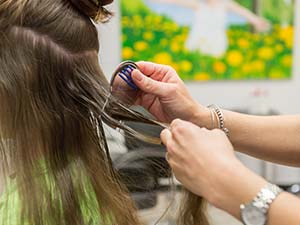
Identifying head lice early can prevent a more significant outbreak. Parents should regularly check their children's hair for nits and adult lice, particularly around the nape of the neck and behind the ears, where lice tend to thrive.
Effective Treatment Options for Head Lice
There are numerous treatment options available for head lice, ranging from chemical shampoos to natural remedies. Understanding the pros and cons of each treatment can help families choose the best course of action for their situation.
For example, while over-the-counter treatments are effective, they may not be suitable for everyone, especially young children or those with sensitive skin. Natural remedies, such as essential oils or vinegar, can also be explored as alternatives, though their effectiveness may vary.
Preventive Measures: Keeping Head Lice at Bay
Preventing head lice is often easier than treating an infestation. Simple measures can significantly reduce the risk of lice spreading among children, especially in school environments.
Encouraging children to avoid sharing personal items such as hats, hairbrushes, and towels is crucial. Regularly inspecting hair and maintaining good hygiene practices can also help minimize the chances of lice outbreaks.

Recent Comments