Understanding Head Lice and Effective Treatment Options
Head lice are a common issue among children, especially during school seasons when close contact is frequent. Understanding the lifecycle of head lice and how they spread is crucial for effective prevention and treatment.
Head lice are tiny insects that live on the scalp and feed on human blood. They can cause itching and discomfort, leading to secondary infections if scratched. Effective treatment options include over-the-counter shampoos, prescription medications, and manual removal methods, such as nit combing.
The Importance of Regular Nit Combing
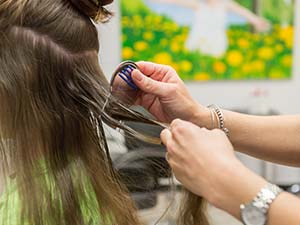
Nit combing is an essential step in the treatment and prevention of head lice infestations. Regularly using a nit comb can help ensure that both lice and their eggs are effectively removed from the hair.
Using a high-quality nit comb after treatment can significantly reduce the chances of reinfestation. It's recommended to comb through wet hair, as this makes it easier to catch nits and lice. Parents should make nit combing a routine part of their child's hygiene practices, especially during peak lice seasons.
Signs Your Child May Have Head Lice
Recognizing the signs of a head lice infestation early can prevent further spread and discomfort. Common symptoms include persistent itching, a feeling of something moving in the hair, and visible lice or nits on the scalp.
Parents should regularly check their children's hair, especially if there have been reports of lice in their school or social circles. Early detection and treatment can help manage the situation before it escalates into a larger problem.
Preventative Measures to Avoid Head Lice
Preventing head lice is often easier than treating an infestation. Simple precautions can be taken to reduce the risk of lice transmission, especially in communal settings like schools and camps.
Encouraging children not to share personal items such as hats, hairbrushes, and towels can significantly lower the risk of contracting lice. Additionally, teaching kids to avoid head-to-head contact during playtime is a crucial preventive measure.


Recent Comments