Understanding Head Lice: A Comprehensive Guide for Parents
Head lice are a common issue among school-aged children, often causing distress for parents. Understanding the life cycle of lice, how they spread, and the symptoms can empower parents to take effective action when necessary.
Head lice are tiny insects that live on the scalp and feed on human blood. They are most commonly spread through direct head-to-head contact, which is why they are prevalent among children in schools and daycare settings. Symptoms include itching, irritation, and the presence of nits (lice eggs) attached to hair shafts.
Effective Treatments for Head Lice
When dealing with a head lice infestation, prompt and effective treatment is essential. There are various over-the-counter and prescription treatments available that can help eliminate lice and nits from the hair.
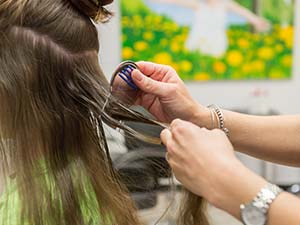
Common treatments include topical insecticides, such as permethrin and pyrethrin, which are applied directly to the scalp. Additionally, non-chemical options like heat treatments and manual removal with a fine-toothed comb can be effective. It's important to follow instructions carefully and repeat treatments as necessary to ensure complete eradication.
Preventive Measures to Avoid Head Lice
Preventing head lice infestations is crucial, especially in school environments. There are several proactive steps parents can take to reduce the risk of lice transmission.
Encouraging children to avoid sharing personal items such as hats, hairbrushes, and headphones can significantly lower the risk of lice. Regularly checking children's hair for signs of lice and educating them about the importance of maintaining personal space can also help prevent outbreaks.
Common Myths About Head Lice
There are many misconceptions surrounding head lice that can lead to unnecessary panic and stigma. Understanding these myths is important for parents dealing with lice issues.
One common myth is that head lice are a sign of poor hygiene, which is not true, as lice can infest anyone regardless of cleanliness. Another misconception is that lice can jump or fly, whereas they can only crawl from one person to another. Educating parents on these myths can help reduce fear and promote a more informed approach to treatment and prevention.


Recent Comments